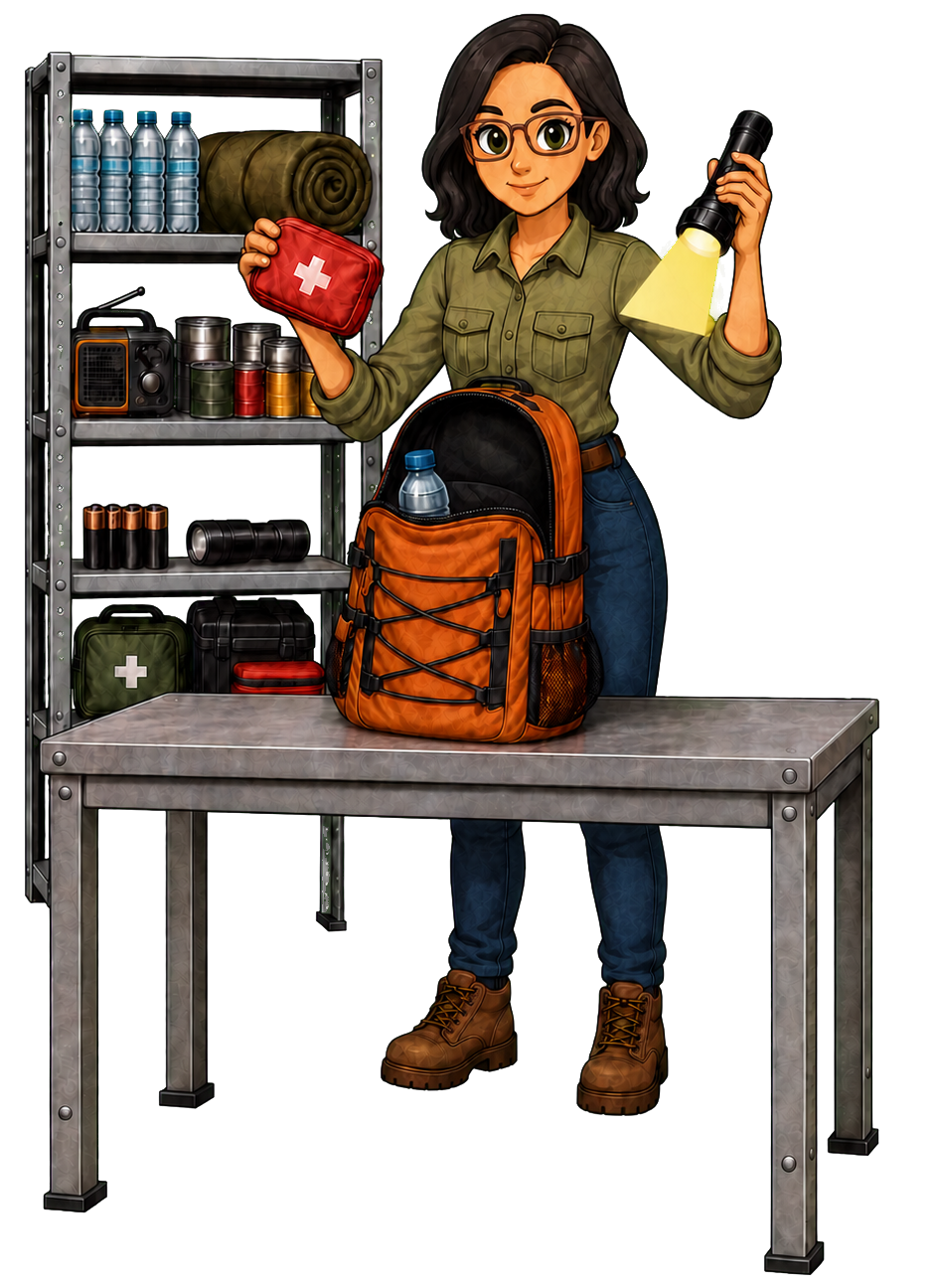
This is the stage where preparedness stops being theory. You work the plans you built: learn the skills, acquire the gear, store the supplies, and run the drills. One task at a time, on calm days, before you need any of it.
Preparing is also where progress becomes visible. As you check tasks off, your readiness score climbs and the gaps shrink — so the work feels like motion, not an endless list. Steady, methodical, every-day progress is the whole point.
 Deep Dive
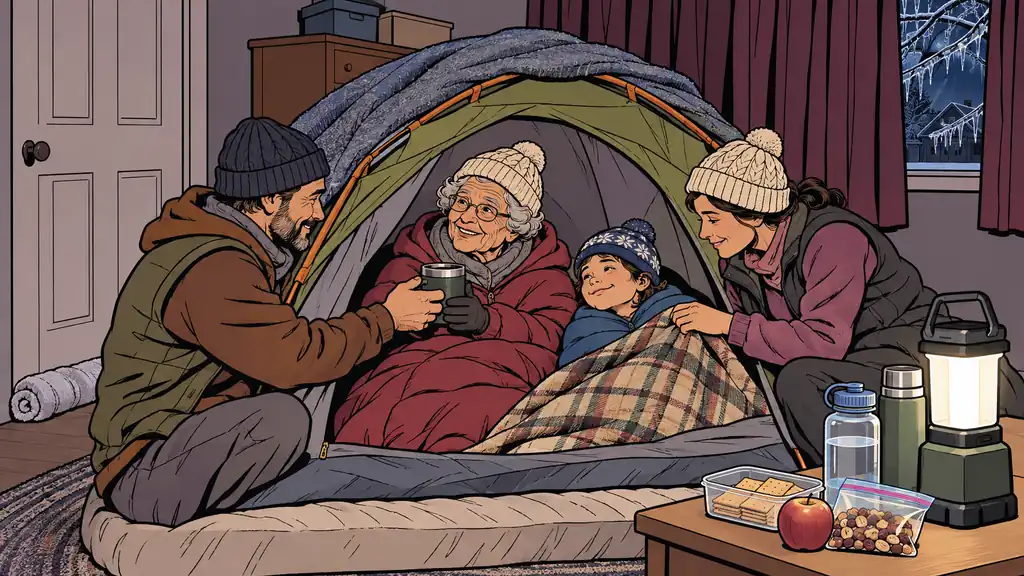
When the furnace dies and the fuel runs low, people picture keeping the whole house warm and give up. The survival answer is smaller and simpler: pick one room, shrink it, and hold it — because bodies survive, not thermostats.
 Deep Dive
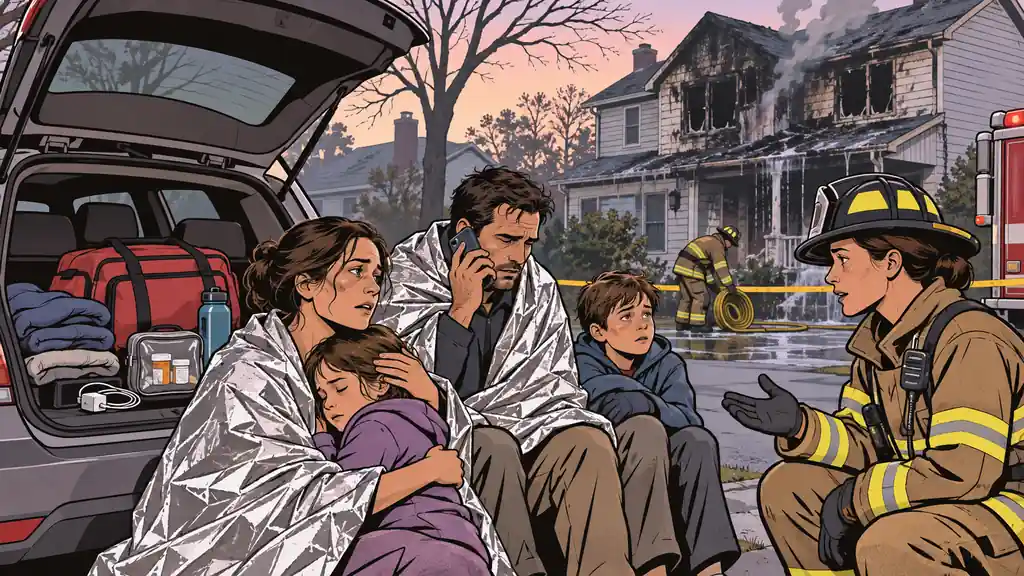
Survival is the goal, but it's not the end. The night of the fire your family has no home, no clothes, and burned paperwork. Whether that becomes months or years of hardship is decided before the fire, too.
 Deep Dive
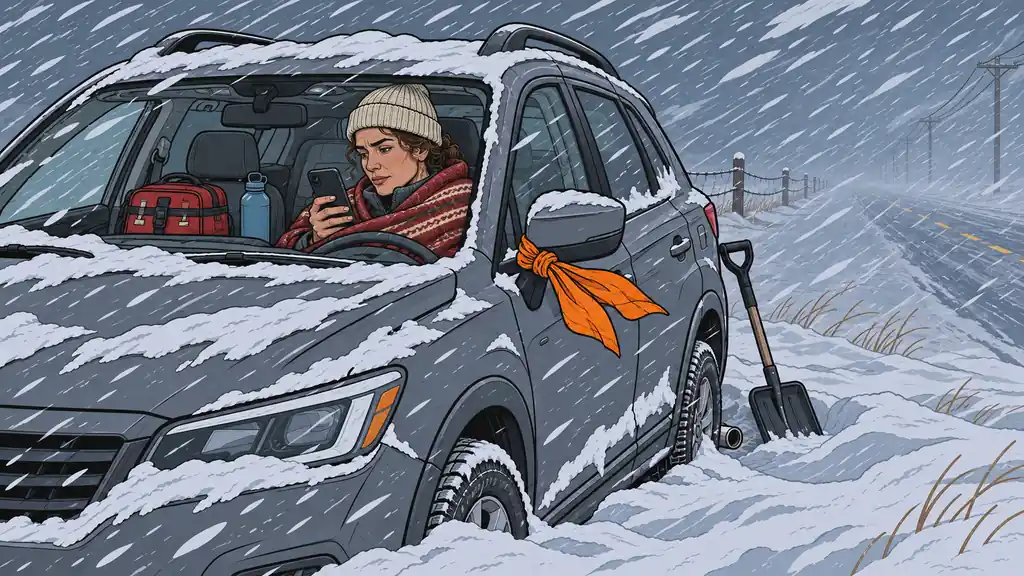
Most blizzard deaths happen on the road, and most of those come from leaving the vehicle. The car is shelter — if you've stocked it and you know the rules for staying alive inside it.
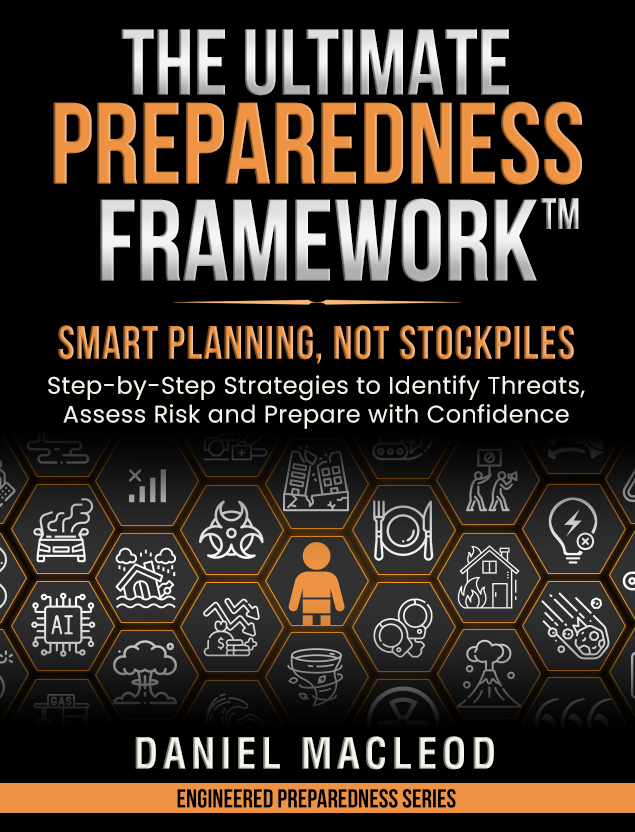
The Ultimate Preparedness Framework™ defines all six stages on paper — the reasoning, the worksheets, the math. This site is the same framework, compiled: the data pre-loaded and the worksheets live.
